

 Building Configurator
 Request a Quote

Temporary Storage Canopies: Practical Benefits for Sites
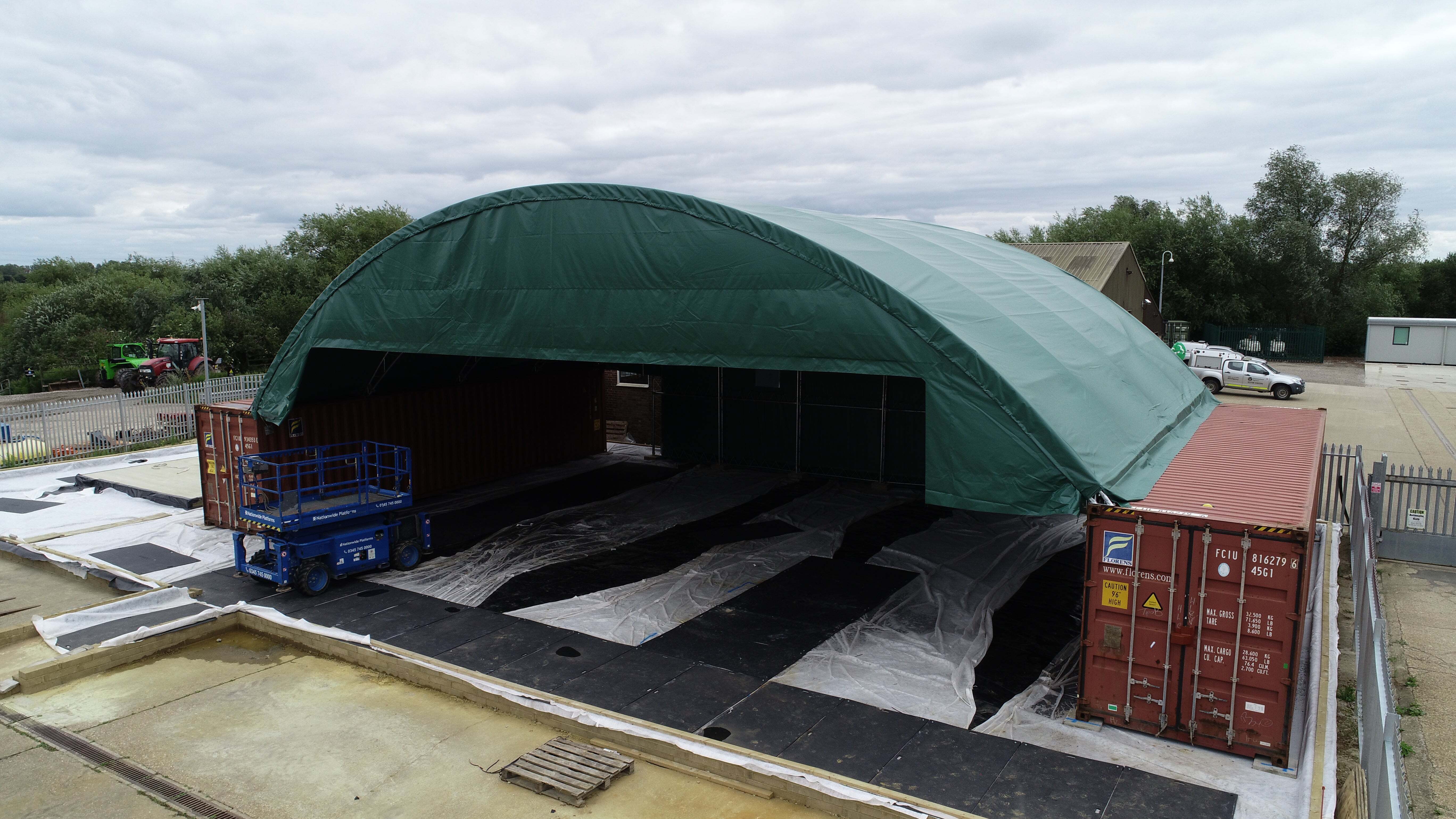
Temporary storage canopies can help businesses create covered outdoor space without committing to a full permanent building. They are commonly used to protect equipment, vehicles, materials, stock, and work areas from weather exposure while keeping the site flexible.
Before comparing container canopy options, it is useful to understand how temporary canopies can support storage, operations, loading areas, seasonal demand, and day-to-day site use.
Benefits of Temporary Storage Canopies for Businesses
1. Cost-Effective Covered Space
A temporary storage canopy can provide additional covered space without the cost and complexity of a traditional building extension. This can be useful for businesses that need extra storage, weather protection, or temporary operational space.
2. Flexible Site Use
Temporary canopies are useful when site requirements change over time. They can support seasonal storage, temporary work areas, equipment protection, or short-term expansion without locking the business into a permanent layout.
3. Faster Deployment
Compared with many permanent building projects, temporary canopy systems can usually be planned and installed faster. This helps businesses respond to urgent storage needs, seasonal pressure, or operational changes more quickly.
4. Weather Protection
Temporary storage canopies help protect equipment, materials, vehicles, stock, and work areas from rain, wind, sunlight, and general weather exposure. This can reduce disruption and help keep outdoor operations more reliable.
5. Useful for Storage and Inventory
Businesses can use temporary canopies to create extra space for inventory, pallets, machinery, spare parts, raw materials, or seasonal goods. This helps improve storage flexibility without immediately expanding warehouse space.
6. Suitable for Different Applications
Temporary storage canopies can be used across industrial, agricultural, construction, logistics, and commercial sites. Common uses include equipment cover, loading-area protection, vehicle shelter, temporary storage, and covered working space.
7. Seasonal Adaptability
For businesses with seasonal demand, temporary canopies can provide additional capacity during busy periods. They can help protect goods, support outdoor workflows, and reduce pressure on existing buildings.
8. Lower Operational Disruption
Because temporary canopy systems can often be installed without major building work, they may reduce disruption compared with larger construction projects. This makes them useful for active sites that need to keep operations moving.
9. Site Planning Flexibility
Before choosing a temporary storage canopy, businesses should review the available space, access routes, ground conditions, anchoring requirements, wind exposure, and the type of items being protected.
When a Temporary Storage Canopy Makes Sense
A temporary storage canopy is a good option when a business needs fast, practical covered space for equipment, materials, vehicles, or outdoor operations. It can also help when the business is testing a new site layout or needs extra capacity for a limited period.
Final Checklist Before Choosing a Temporary Canopy
- Define the main use: storage, vehicles, loading, equipment, or workspace
- Check the available site area and access routes
- Review weather exposure and anchoring requirements
- Confirm whether the canopy needs open sides or end panels
- Consider standard size options versus custom requirements
- Plan delivery, unloading, and installation access
Bottom Line
Temporary storage canopies can give businesses practical covered space for changing operational needs. They are useful for protecting assets, improving storage flexibility, and supporting outdoor work without immediately investing in a full permanent building.
The right option depends on the site, required size, access needs, and the level of weather protection required.